What is an Enterprise Learning Management System?
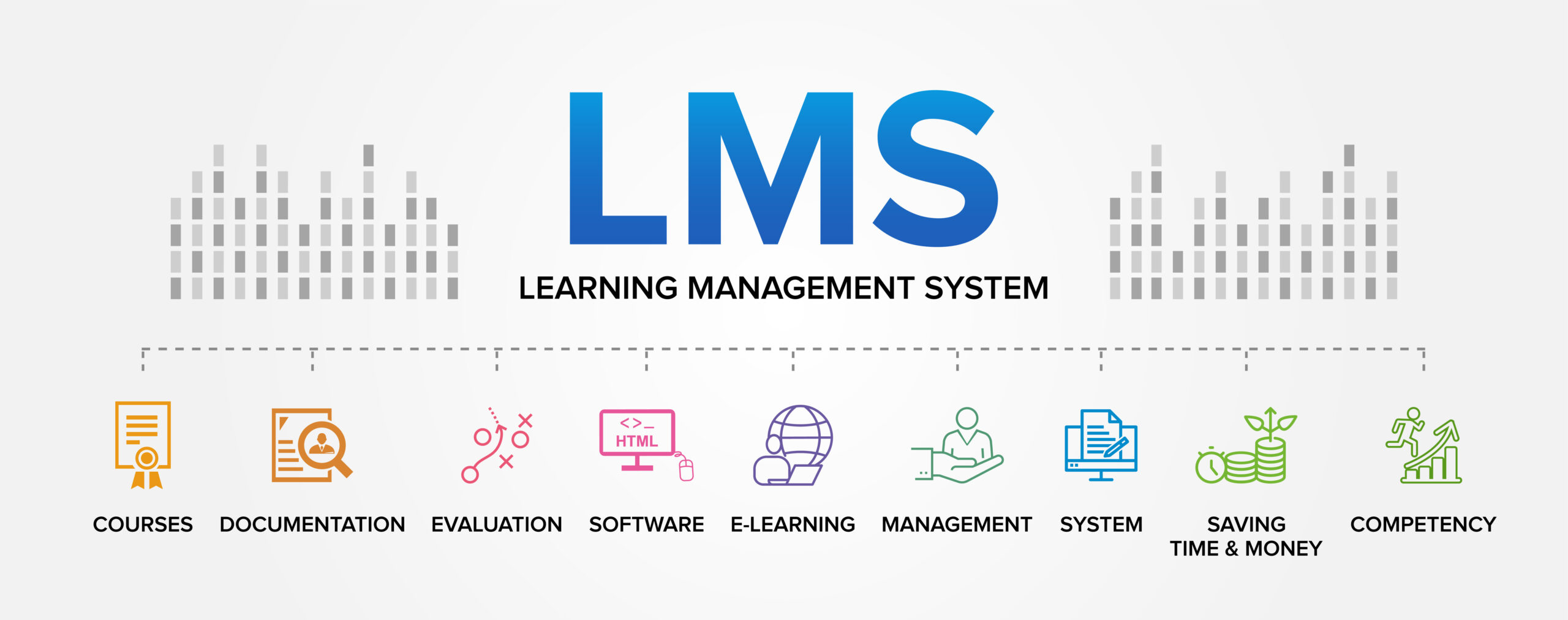
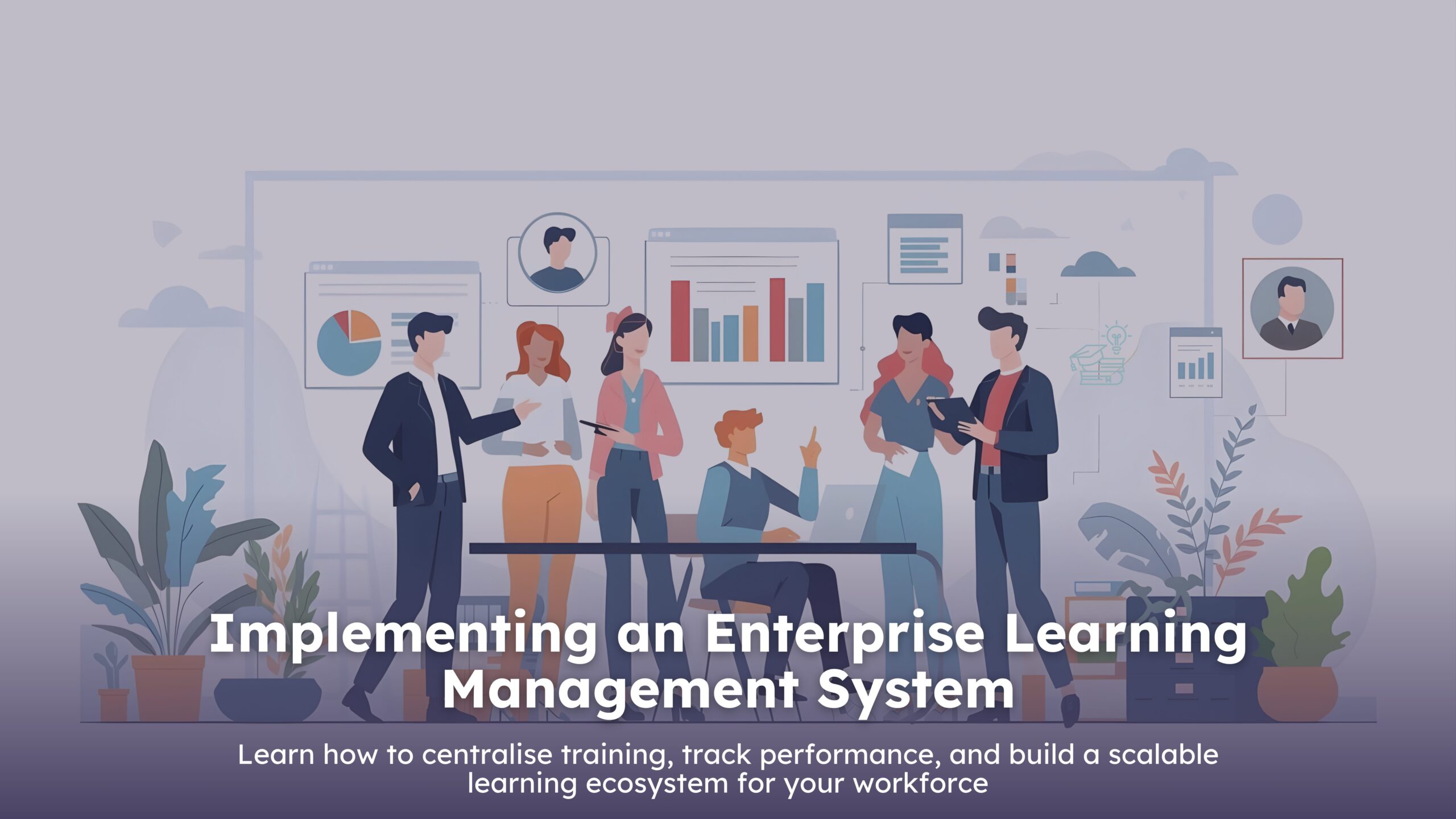
An Enterprise Learning Management System (LMS) is a dynamic software platform designed to streamline the training and development process within large organizations. This sophisticated system serves as a comprehensive solution for managing, delivering, and tracking employee training programs at scale.
Key Features of an Enterprise Learning Management System:
- Centralized Training Repository: An Enterprise LMS acts as a centralized hub for all learning materials, making it easy for employees to access training resources from anywhere, at any time.
- Scalability: These systems are built to accommodate the growth of an organization, allowing for seamless addition of new users and content without performance hitches.
- Advanced Reporting and Analytics: With robust analytics, HR managers and trainers can monitor progress, engagement, and completion rates, facilitating informed decisions about future training needs.
- Customization and Branding: Enterprise LMS platforms offer extensive customization options to align with company branding and tailor the learning experience to specific departmental needs or individual learning paths.
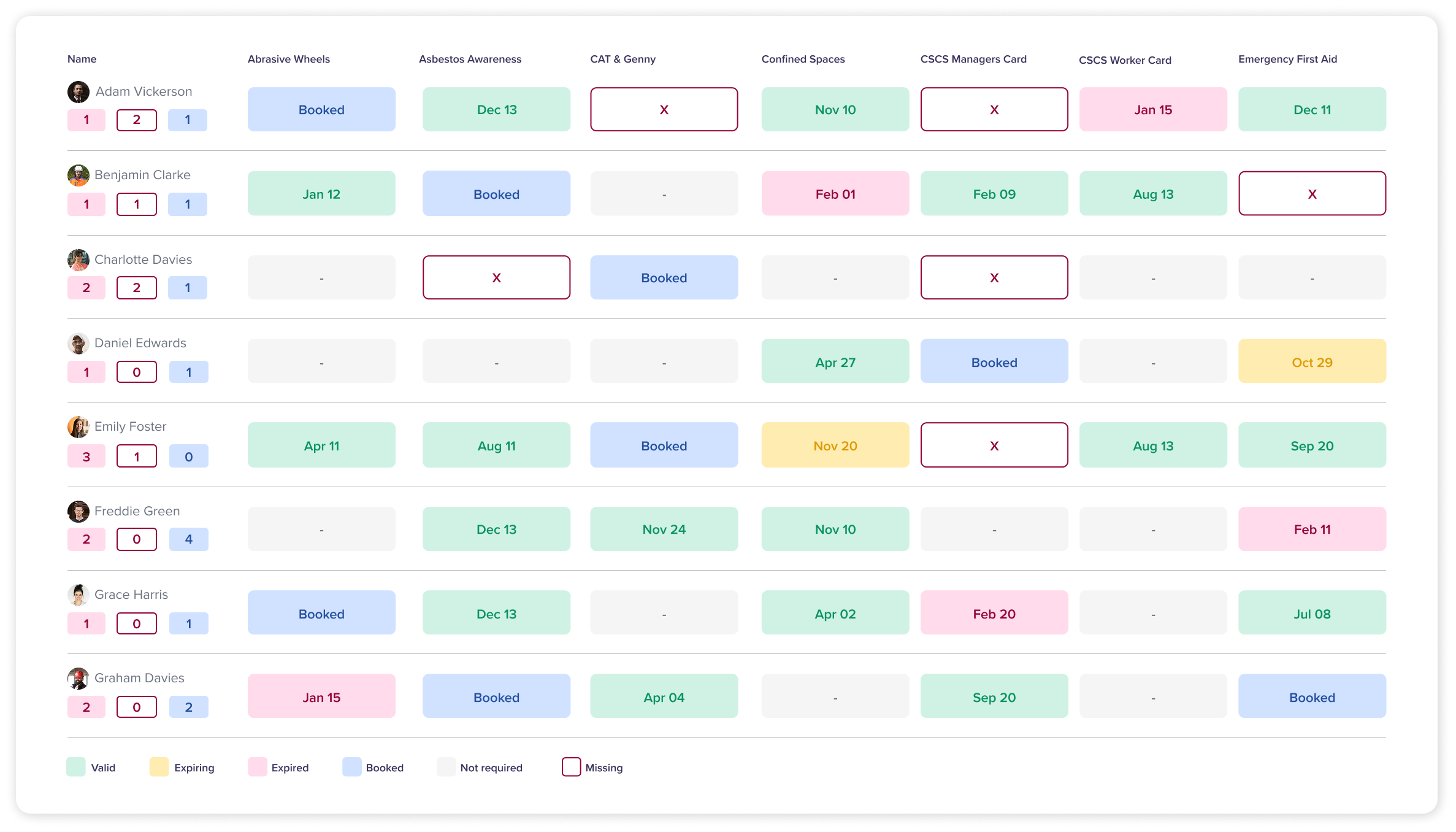
- Compliance Management: They ensure compliance with industry regulations by scheduling necessary certifications and training for employees, complete with automated reminders and tracking.
- Integration Capabilities: A top-tier Enterprise LMS can integrate with other HR systems and software, creating a seamless flow of data across platforms.
Benefits of Implementing an Enterprise LMS:
- Enhanced Learning Experience: Interactive features like gamification, social learning, and mobile compatibility contribute to a more engaging and effective learning experience for employees.
- Efficiency and Cost-Reduction: By automating administrative tasks and reducing the need for in-person training sessions, organizations save time and reduce training costs.
- Data-Driven Insights: Access to learning analytics helps in understanding the effectiveness of training programs and in making data-driven improvements.
- Regulatory Compliance Assurance: It simplifies the complexity of staying compliant with various industry regulations, mitigating the risk of non-compliance penalties.
For organizations aiming to foster a culture of continuous learning and professional growth, an Enterprise Learning Management System is not just a tool but an essential asset that propels both individual and organizational success.
In today’s disruptive business environments, Learning & Development teams must ensure that the workforce is equipped with the right skills, which are critical at all organizational levels. Leadership skills like navigating complexity and accelerating talent development are key to real innovation and change. – Harvard Business Publishing
By integrating this technology, companies are empowered to create a more knowledgeable workforce that can adapt to the rapidly changing demands of the global market, ensuring they remain competitive and agile in today’s fast-paced business environment.