Talent Management Systems
Skip to content

Talent Management Systems: Unlocking Success

Talent Management Systems (TMS) complete guide blog image cover

In today’s competitive job market, attracting and retaining top talent is crucial for the success of any organization. But with the ever-changing landscape of HR technology, it can be challenging to keep up with the latest trends and tools. One tool that has gained popularity in recent years is the talent management system. In this article, we’ll explore the benefits of implementing talent management system software and why it’s a must-have for businesses in Houston and beyond.

What are Talent Management Systems?

Before we dive into the benefits, let’s first define what a talent management system is. A talent management system is a software platform that helps organizations manage their entire employee lifecycle, from recruitment and onboarding to performance management and succession planning. It streamlines and automates HR processes, making it easier for HR professionals to manage their workforce effectively.

Benefits of Talent Management Systems 

Recruitment and Onboarding Made Easy with Talent Management Systems

One of the most significant benefits is the ability to streamline the recruitment and onboarding process. With features like applicant tracking, job posting, and resume parsing, HR professionals can easily manage the entire recruitment process from one platform. This not only saves time and effort but also ensures a more efficient and consistent hiring process.

Once a candidate is hired, the onboarding process can also be managed through the talent management system. This includes tasks such as completing paperwork, setting up employee profiles, and assigning training modules. By automating these tasks, HR professionals can focus on more strategic initiatives, and new employees can get up to speed faster.

Performance Management and Development with Talent Management Systems

Another significant benefit is its ability to track and manage employee performance. With features like goal setting, performance reviews, and development plans, HR professionals can easily monitor and evaluate employee performance. This not only helps identify top performers but also allows for targeted development plans to help employees reach their full potential.

Additionally, systems like these also help with succession planning. By identifying high-potential employees and creating development plans for them, organizations can ensure a smooth transition when key employees leave or retire.

Centralised Data and Reporting

All employee data is stored in one centralized location, making it easier to access and analyze. This allows HR professionals to gain valuable insights into their workforce, such as employee turnover rates, performance trends, and training needs. With this data, organizations can make more informed decisions and develop strategies to improve employee engagement and retention.

Compliance and Security confidence with a Talent Management System

In today’s digital age, data security and compliance are top priorities for organizations. A talent management system can help ensure that employee data is secure and compliant with regulations such as GDPR and CCPA. With features like role-based access and data encryption, organizations can rest assured that their employee data is safe and secure.

Why is a Talent Management System Important for Businesses?

Now that we’ve explored the benefits, let’s take a closer look at why it’s essential for businesses.

Attract and Retain Top Talent

With so many companies competing for top talent, it’s crucial to have a robust talent management system in place to attract and retain the best employees. By streamlining the recruitment process and offering development opportunities, organizations can stand out from the competition and attract top talent.

Stay Compliant with Local Regulations

Many countries and cities, have their own set of regulations and laws that organizations must comply with. A talent management system can help ensure that employee data is secure and compliant with local regulations, avoiding any potential legal issues.

Improve Efficiency and Productivity

HR professionals can automate many time-consuming tasks, such as data entry and paperwork. This not only saves time but also allows HR professionals to focus on more strategic initiatives that can improve overall efficiency and productivity within the organization.

Better Employee Engagement and Retention

Employee engagement and retention are crucial for the success of any organisation. A system like this can help improve employee engagement by providing development opportunities and a clear path for career growth. This, in turn, can lead to higher retention rates and a more engaged and motivated workforce.

How to Choose the Right Talent Management System Software for Your Business
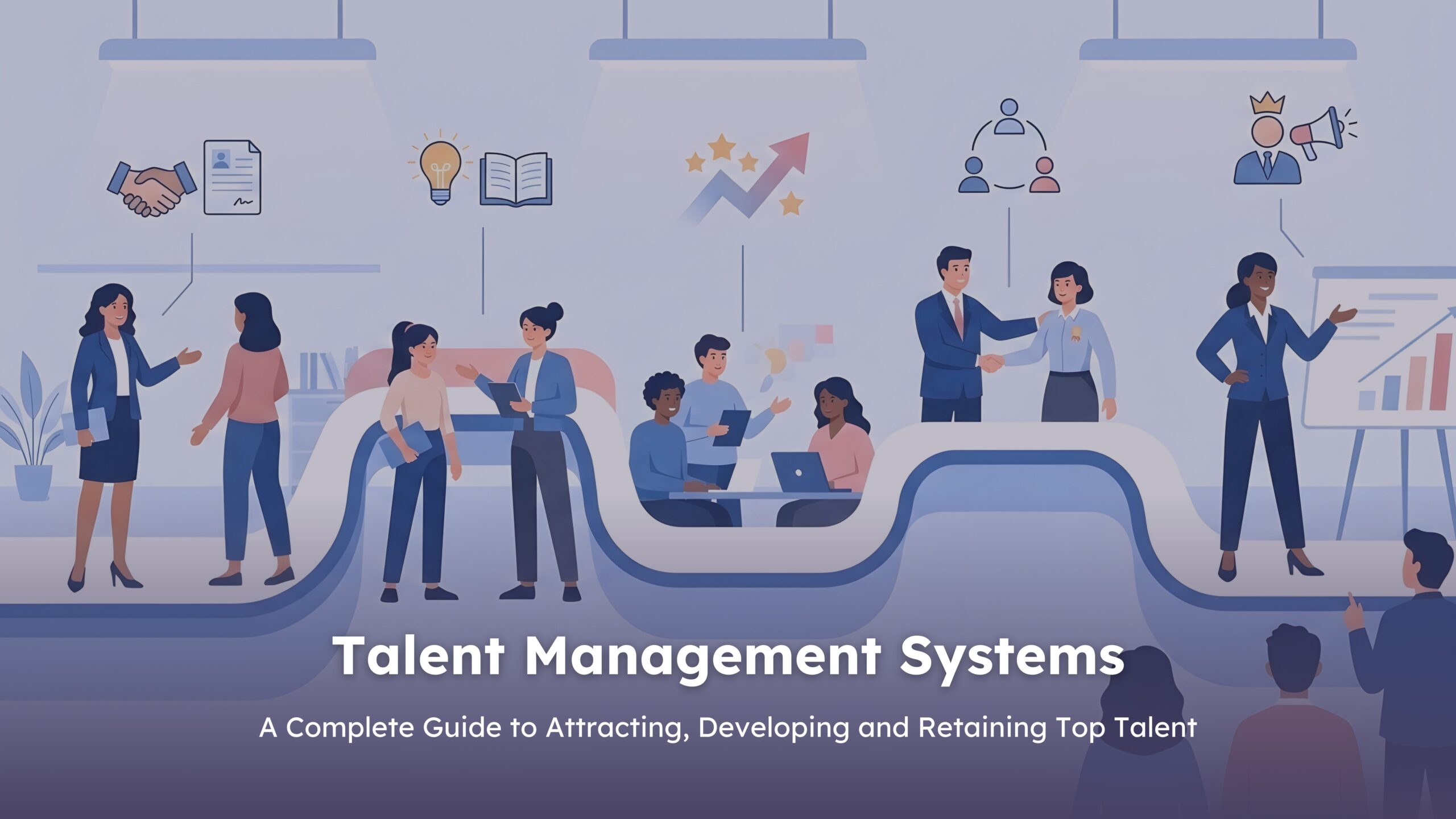
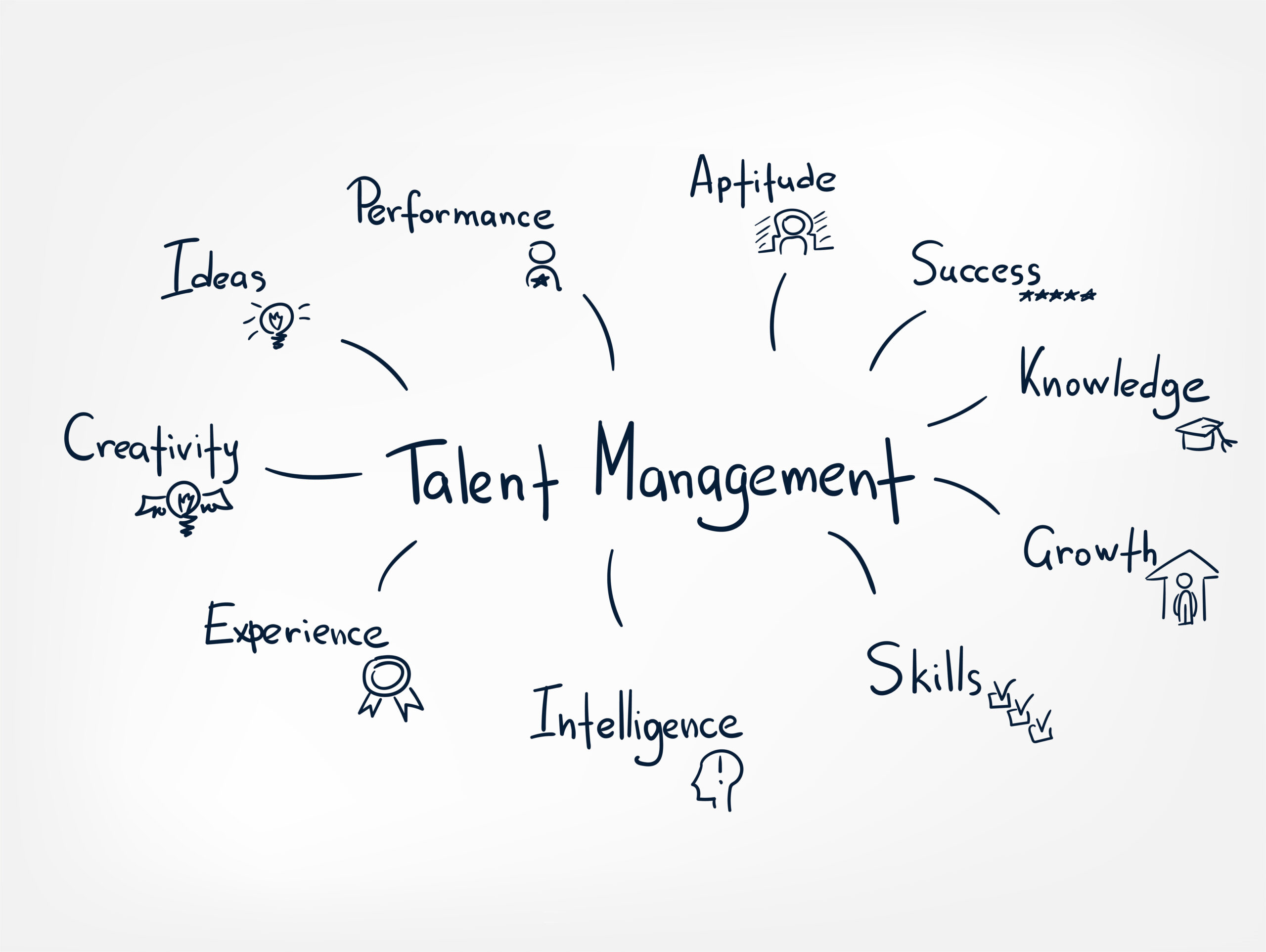
talent management vector line doodle hand written

With so many talent management system software options on the market, it can be overwhelming to choose the right one for your business. Here are some key factors to consider when selecting a talent management system:

Scalability

As your business grows, so will your workforce. It’s essential to choose a system that can scale with your organization and accommodate your future needs.

User-Friendly Interface

A user-friendly interface is crucial for the adoption and success of a talent management system. Make sure to choose a system that is intuitive and easy to use for both HR professionals and employees.

Customisation Options

Every organization is unique, and so are their HR processes. Look for a system that offers customization options to fit your specific needs and workflows.

Integration Capabilities

Seamless integration is paramount for fostering organizational efficiency and a robust talent management system should seamlessly integrate with your existing HR systems, including payroll and benefits, to ensure a smooth transition and prevent any potential data discrepancies. Moreover, in high-risk industries where training compliance is imperative, the integration with other specialist software, particularly in training management, becomes crucial. This ensures a comprehensive approach to talent development, addressing specific industry needs and compliance standards.

Compliance Excellence with Workprove Integration

While the benefits of a comprehensive Talent Management System (TMS) are undeniable, ensuring workforce training compliance adds another layer of complexity and importance. In this scenario, a cloud-based solution like Workprove shines with its specialized features and focus on compliance management.

Workprove: Engineered for Compliance Success

Integrated within its broader TMS framework, Workprove specifically addresses training compliance through a robust feature set:

  • Training Matrix: Visualise compliance gaps across your organisation at a glance, identifying non-compliant individuals and roles.
  • Automated Reminders: Trigger timely notifications for employees and managers when training deadlines approach, ensuring proactive action.
  • Comprehensive Reporting: Generate detailed reports on compliance status, individual completion rates, and overall progress metrics.
  • SCORM Compliance: Integrate seamlessly with existing eLearning platforms and content, eliminating compatibility issues
  • Audit-Ready Documentation: Maintain a centralized repository of training records and certificates for effortless compliance audits.

Real-World Examples of Successful Talent Management Systems Implementation

Many organisations have already seen the benefits of implementing a talent management system. Here are two real-world examples of successful implementation:

Houston Methodist Hospital
It’s one of the leading healthcare organisations in Houston, implemented a talent management system to streamline their recruitment and onboarding process. By automating tasks such as job posting and resume parsing, they were able to reduce their time-to-hire by 50%. Additionally, the system allowed them to track and manage employee performance, leading to higher employee engagement and retention rates.

Shell
A global energy company, implemented a talent management system to improve their succession planning process. By identifying high-potential employees and creating development plans for them, they were able to ensure a smooth transition when key employees left the organisation. This helped them retain top talent and maintain business continuity.

Conclusion

In today’s competitive job market, a talent management system is a must-have for organizations looking to attract and retain top talent. With features such as recruitment and onboarding, performance management, and centralised data and reporting, talent management system software solutions can help organisations streamline their HR processes and improve overall efficiency and productivity. By considering factors such as scalability, integration capabilities, and customisation options, organisations can choose the right solutions for their specific needs and see the benefits firsthand.

You might also like

View All Resources
What is a training matrix blog
Blog

What is a Training Matrix? 8 Steps to Create One Effectively

Find Out More
Manufacturing training compliance management
Blog

Manufacturing Industry Guide: Workforce Competence, Compliance and Operational Resilience

Find Out More