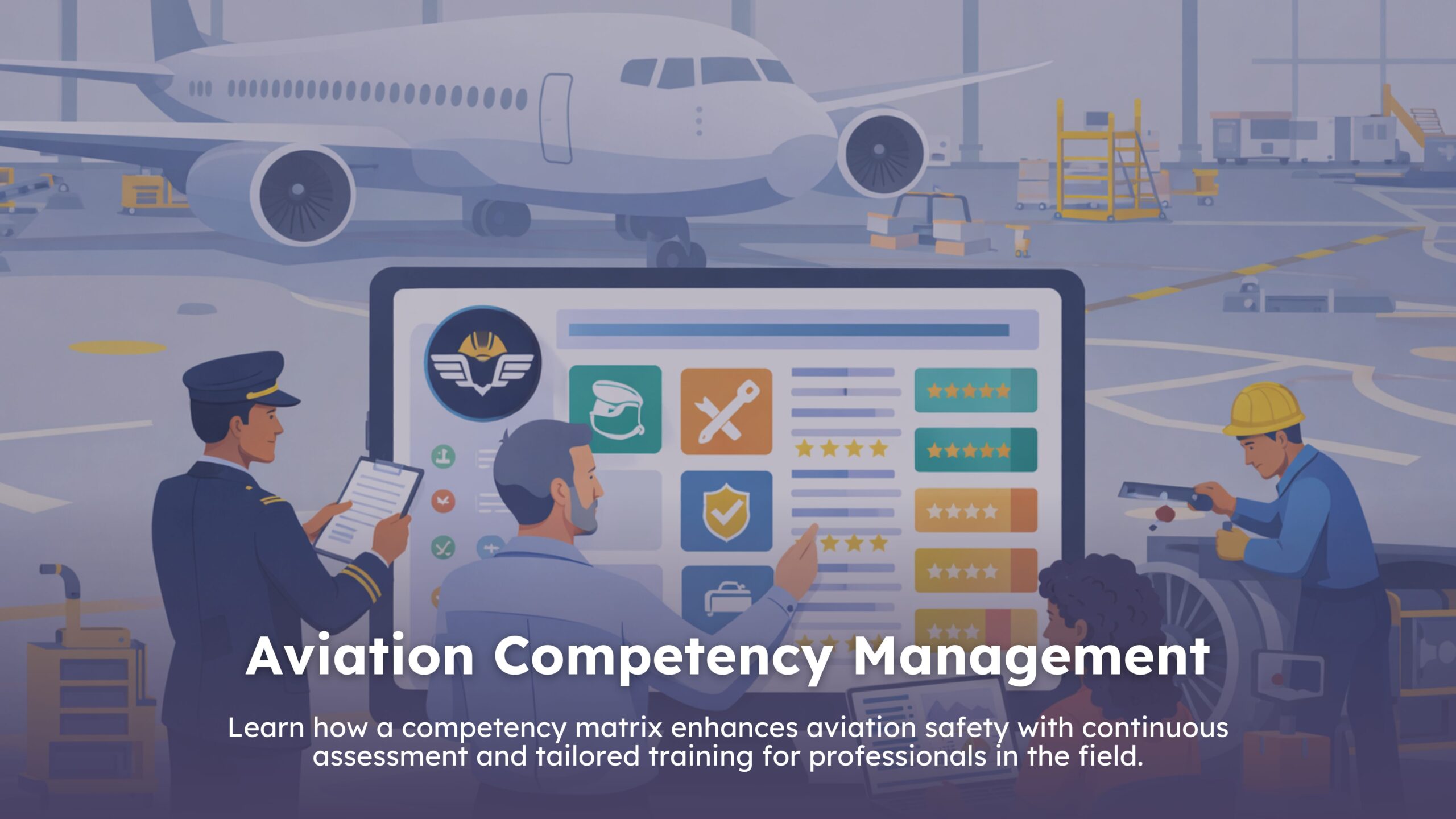
Introduction: The Evolution of Aviation Competency
Aviation, an industry where safety is paramount, has continually evolved, demanding a proactive approach to managing the competencies of its professionals. This evolution has been driven by technological advancements, changing regulations, and an unyielding commitment to safety and efficiency.
Understanding the Vital Role of Competency Management
Competency management in aviation is not just a regulatory requirement but a cornerstone of operational excellence. It involves:
- Continuous Assessment: Regularly evaluating the skills and knowledge of aviation personnel to ensure they meet the highest standards.
- Adaptive Training: Tailoring development programs to address identified competency gaps.
- Performance Monitoring: Keeping track of progress and making adjustments as needed to maintain peak performance.
Leveraging Workprove for Superior Training and Compliance
Workprove stands at the forefront of training management and compliance in aviation, offering:
- Automated Skill Matrix: A comprehensive view of organisational skills and competencies, facilitating targeted training interventions.
- Customised Training Solutions: Personalised training programs that cater to the unique needs of each professional.
- Regulatory Alignment: Ensuring compliance with the latest industry standards and regulations.
Key Strategies for Effective Competency Management
To successfully implement a competency management program, organizations should focus on:
- Identifying Core Competencies: Defining the essential skills required for different aviation roles.
- Setting Clear Benchmarks: Establishing measurable and attainable performance standards.
- Utilising Advanced Training Tools: Incorporating simulators, VR, and e-learning for a more immersive training experience.
- Regular Feedback and Evaluation: Providing ongoing assessments and constructive feedback for continuous improvement.
Success Stories: Transformative Impact in Aviation
Examining real-world applications highlights the efficacy of advanced competency management:
- Emirates Airlines: Known for their rigorous competency management system, including frequent assessments and a diverse range of training methodologies.
- IATA’s ITQI Program: A global initiative standardising training quality and competency requirements across the aviation industry.
Future Directions: Innovations in Aviation Training
The future of aviation competency management is characterised by:
- Personalised Learning Pathways: Tailoring training to individual learning styles and career progression.
- Technological Integration: Utilising AI, VR, and AR for enhanced, realistic training scenarios.
- Data-Driven Decisions: Leveraging analytics for informed training and development strategies.
Conclusion: Steering Towards Safer Skies
In conclusion, the strategic implementation of advanced competency management in aviation is pivotal for maintaining the highest safety standards. By embracing innovative training tools, continuous skill assessments, and integrating systems like Workprove, the aviation industry continues to soar towards greater heights of efficiency and safety.
Further reading
- The Implementation of Competency-Based Training and Assessment (CBTA) Framework in Aviation Manpower Planning – This article from ScienceDirect delves into the implementation of competency-based training in the aviation sector, focusing on manpower planning and development.
- The Role of Self-Study in Addressing Competency Decline Among Airline Pilots During the COVID-19 Pandemic – Published by the National Center for Biotechnology Information (NCBI), this research explores the impact of self-study on maintaining pilot competencies, especially during the challenges posed by the pandemic.
- Competency-Based Training in Aviation: The Impact on Flight Attendant Performance and Passenger Satisfaction – This article, available through the Scholarly Commons of the Embry-Riddle Aeronautical University, investigates how competency-based training influences flight attendant performance and overall passenger satisfaction.
- Pilot Training and Competency – Flight Safety Foundation – The Flight Safety Foundation provides an insightful article on the importance of pilot training and competency, discussing various aspects of training standards and safety implications in the aviation industry.