Safety Briefings: A Key to Safe Work Environments
Skip to content

Safety Briefings: Key to Maximising Workplace Safety

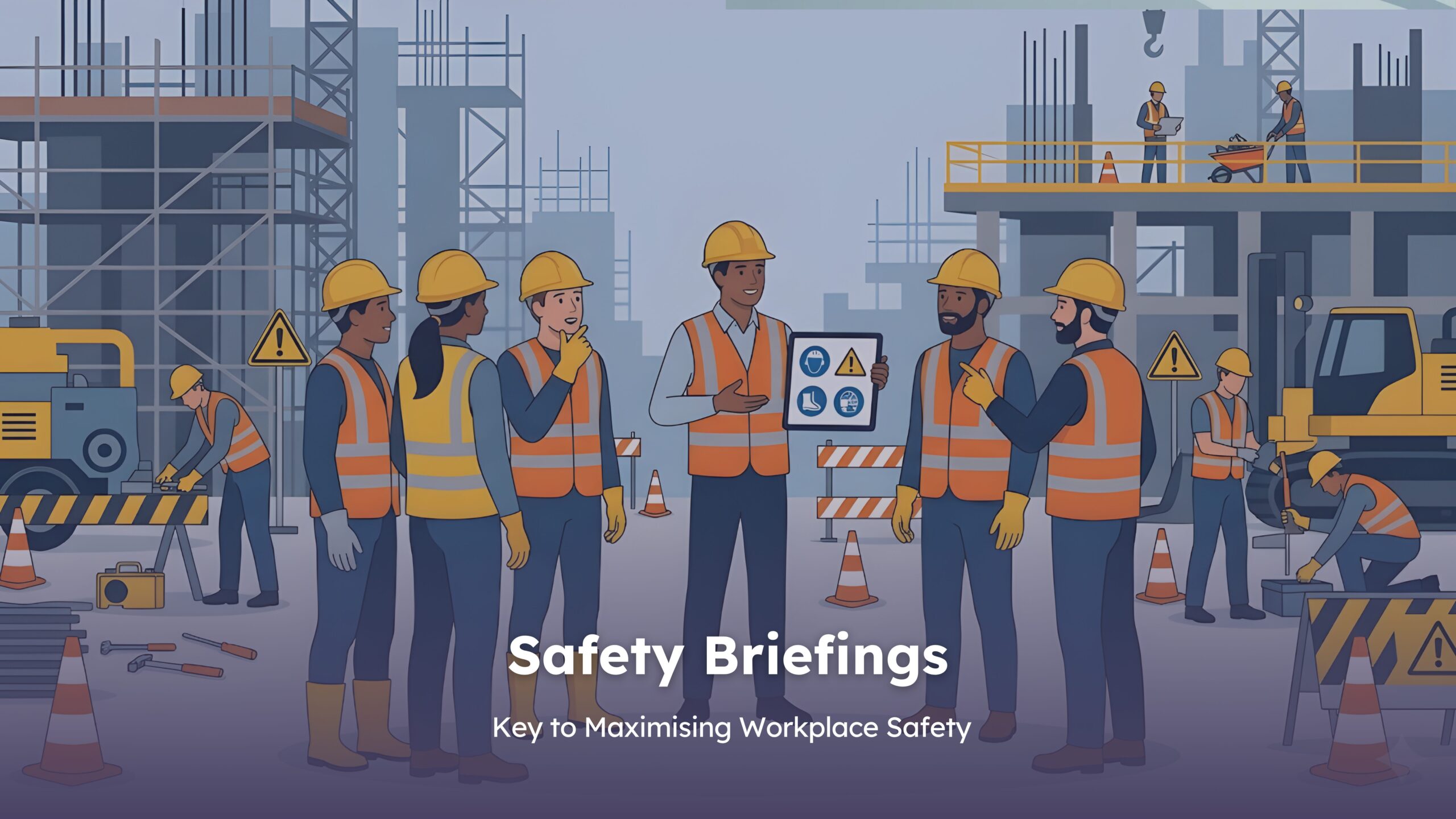
safety briefs blog image cover- supervisor instructing workers about safety in work environments

Drawing on extensive experience from health and safety inspections across multiple industries, the value of safety briefings in fostering a culture of vigilance and awareness becomes very clear. These brief yet impactful meetings remind workers of essential safety protocols and encourage open dialogue about potential hazards on site.

What is a Safety Briefing?

Safety briefings, similar to toolbox talks, are concise meetings focused on specific safety issues. Conducted at the start of a workday or before a particular task, these briefings aim to keep safety at the forefront of workers’ minds, ensuring that safety practices are not just understood but ingrained in the daily operations of industries like construction, manufacturing, and many others.

Industries That Benefit Most from Safety Briefings

  1. Construction: With its ever-present risks, the construction industry relies heavily on them. Topics often include fall prevention, correct use of PPE, and machinery operation, crucial for maintaining high safety standards on the ever-changing construction site landscape.
  2. Manufacturing: In factories where complex machinery and processes pose significant risks, safety briefings on topics like lockout/tagout procedures, machine guarding, and chemical safety are vital in preventing accidents and ensuring worker safety.
  3. Oil and Gas: The inherently hazardous nature of oil and gas operations makes them essential. They often cover handling flammable materials, emergency response, and working in confined spaces, addressing the unique risks of the industry.
  4. Utilities: Workers in this sector face dangers from high-voltage equipment, excavation work, and working at heights. Regular briefings help reinforce safe practices and ensure compliance with the latest safety standards.

Examples of Safety Briefings

  • Construction: Emphasizing ladder safety, discussing the correct selection, inspection, and use to prevent falls.
  • Manufacturing: Focusing on chemical safety, highlighting proper storage, use, and disposal methods to avoid accidents.
  • Oil and Gas: Covering confined space entry protocols, stressing the importance of atmospheric testing and emergency preparedness.
  • Utilities: Addressing electrical safety, underscoring the dangers of working near live electrical components to prevent electrocutions.
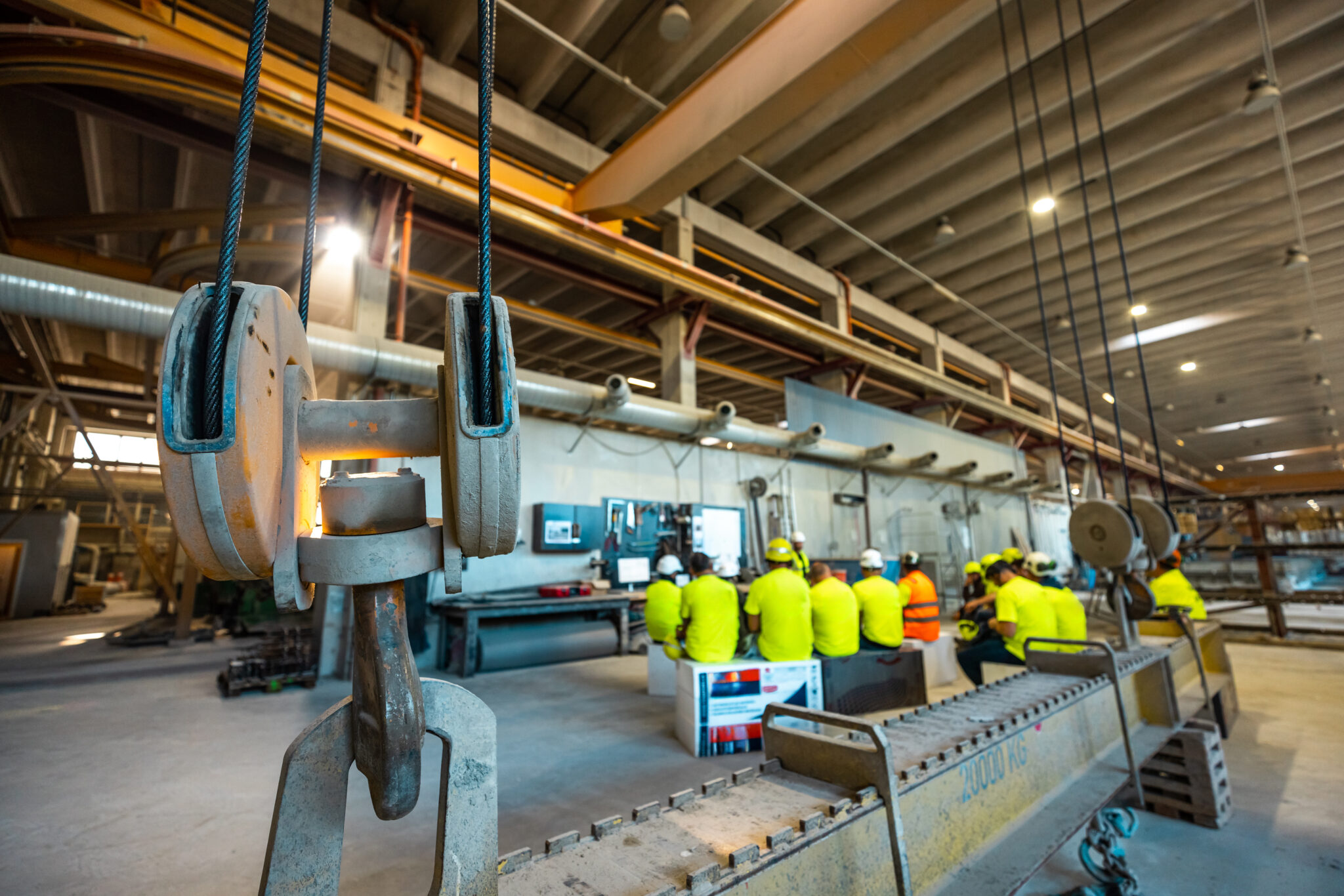
Skillful worker attending brief meeting in the factory . Industrial people and manufacturing labor concept

Streamlining Safety Briefings with Software

Workprove transforms safety briefings by making them more accessible and manageable. With its digital platform, scheduling, tracking, and updating safety protocols become effortless, ensuring that teams stay informed and compliant with the latest safety standards. This tool simplifies the administrative load, allowing for a focus on what truly matters: maintaining a safe work environment.

Conclusion

Practical experience from workplace safety inspections continues to highlight the importance of safety briefings in reducing incidents and strengthening safety culture. Integrating relevant and engaging briefings into daily routines helps organisations reinforce safe behaviour and ensure that employees remain aware of potential risks.

Using software like Workprove can bring the following benefits:

  1. Efficiency: Software streamlines the briefing process, allowing for quick and consistent delivery to a large audience.
  2. Accessibility: Employees can access safety briefings remotely, ensuring that all team members, including remote workers, stay informed.
  3. Tracking and Compliance: Automated tracking and documentation ensure compliance with regulatory requirements. Ensure everyone has attended.
  4. Scalability: It can be scaled across different departments or locations, maintaining consistent safety standards.
  5. Analytics: Real-time analytics provide insights into engagement levels and areas needing improvement.
  6. Documentation: Automated documentation ensures accurate record-keeping for audits and reporting.
  7. Continuous Improvement: Insights from software analytics enable the continuous improvement of briefing content and delivery.

Further Reading

You might also like

View All Resources
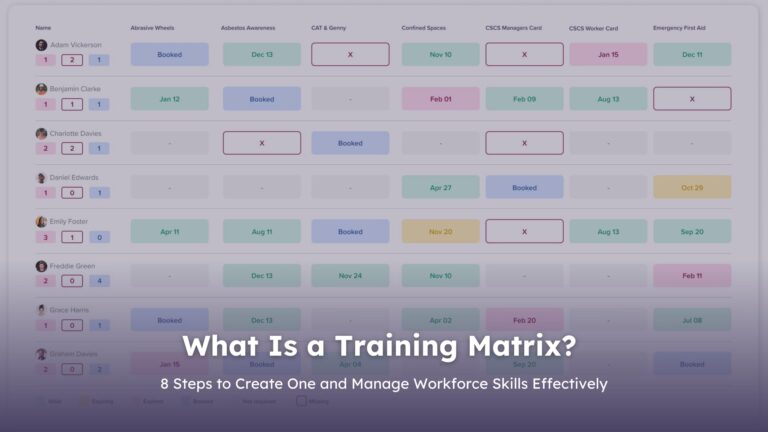
What is a training matrix blog
Blog

What is a Training Matrix? 8 Steps to Create One Effectively

Find Out More
Transport, Logistics and Warehousing Training & Compliance Management full guide blog
Blog

Transport, Logistics and Warehousing Training and Compliance Management

Find Out More
EDI in safety-critical Industries and how workprove supports EDI- equity, diversity and inclusion
Blog

EDI in the real world: why frontline teams are being left behind

Find Out More