Case 2: Hand Amputation During Boat Lift
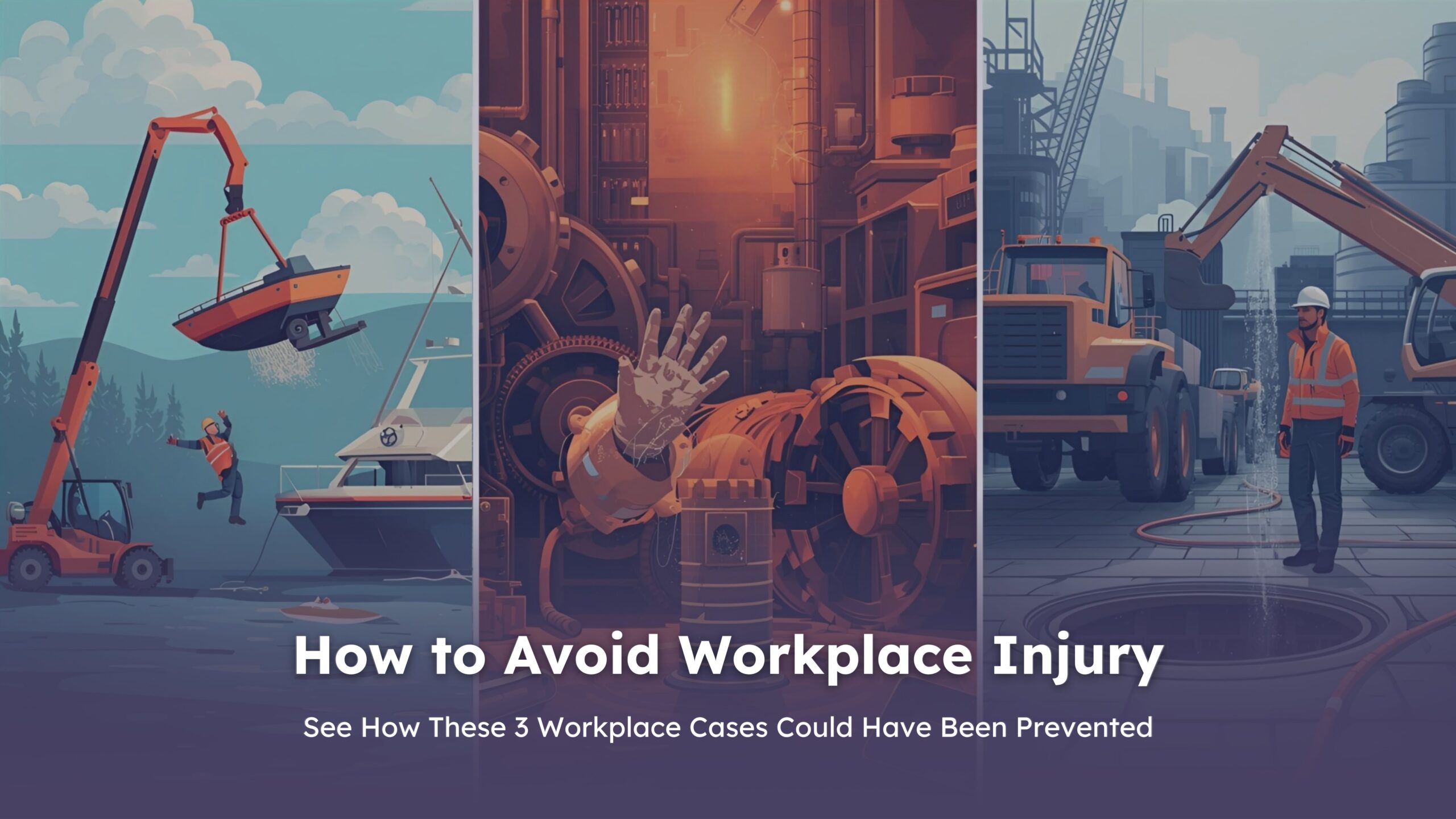
Five months later, in May 2023, a worker assisting with a routine boat lift at a Norfolk marina suffered a devastating injury. While raising the boat with a telehandler, he trapped his hand beneath the forks. The crushing force amputated one of his fingers (Health and Safety Executive, 2025b).
Investigators later discovered that no lift plan existed, and staff had not received the required training to carry out or supervise the operation. There was also no proper communication or supervision during the lift. The entire incident was deemed “wholly avoidable” had a simple lift plan and trained operators been in place (HSM Search, 2025).
The company had to pay more than £2,000 in fines. Although the fine was relatively small, the impact on the injured worker was permanent.
Case 3: Life-Changing Crush During Maintenance
In another case, a maintenance worker at a waste-recycling site was repairing a hydraulic leak on a loading shovel when the bucket suddenly dropped on him. The impact fractured his ribs, leg, and foot and shattered his pelvis into three pieces (Health and Safety Executive, 2025c).
He was airlifted to the hospital and underwent several major operations. Once an active man who regularly exercised, he now struggles with basic mobility.
The investigation found that the company had not carried out a risk assessment for the task and had no safe system of work for isolating hydraulics. Additionally, the worker had not received adequate instruction, training, or supervision (Davies-Dennis, 2025). The organisation paid over £160,000 fines and a victim surcharge (Maddocks, 2025).
This case demonstrates that routine maintenance work can become dangerous when safety documentation and control measures are lacking, causing avoidable workplace injuries.
👉 For more insights into common risk factors and prevention strategies, you can also read our related guide: What Is the Biggest Cause of Workplace Injury and How SMEs Can Stay Ahead of Claims.
How These Tragedies Could Have Been Prevented: Learning from Workplace Injury Claims
When examined together, these incidents reveal a pattern of oversight that is sadly familiar across many industries. In each case, there were clear opportunities to prevent harm and demonstrate how to avoid workplace injury in practical ways.
Firstly, risk assessments and safe systems of work should have been written, reviewed and followed. Each job carried specific risks that required planning: pressure in cold conditions, suspended loads, and hydraulic isolation. Secondly, training and competence verification were missing or outdated. If management had clear visibility of training records, they could have confirmed whether workers were qualified to carry out their tasks safely and avoid accidents at work.
Furthermore, toolbox talks and pre-task briefings could have made a difference. A five-minute discussion before the job, focusing on the conditions, hazards, and control measures, might have been enough to prevent all three incidents. Lastly, supervision and record-keeping failed to ensure task execution under safe conditions, one of the leading causes of workplace injury claims.
Building Safer Systems with Workprove
Preventing such incidents requires more than policies and posters. It demands a system that integrates training, verification and communication into everyday operations. This is exactly where Workprove plays a vital role.
With Workprove, organisations can:
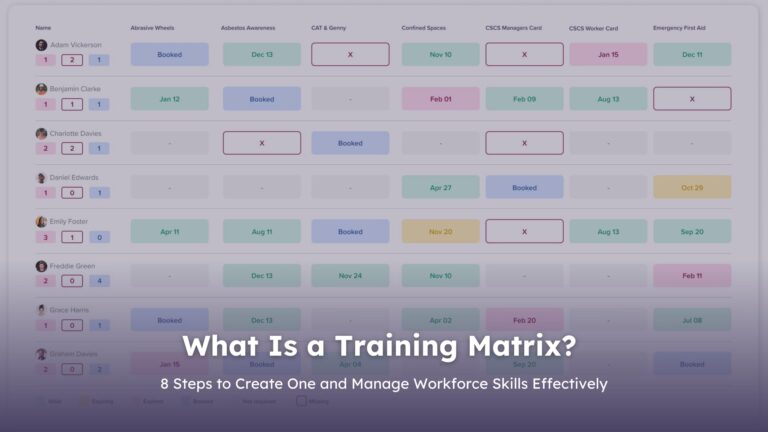
1. Automated Training Matrix
This offers a live overview of every employee’s qualifications and expiry dates. It highlights missing or outdated training before a task begins, ensuring high-risk work to competent staff only. If this system had been in place, supervisors could have identified expired certifications in both the jetting and maintenance cases before allowing the work to start.
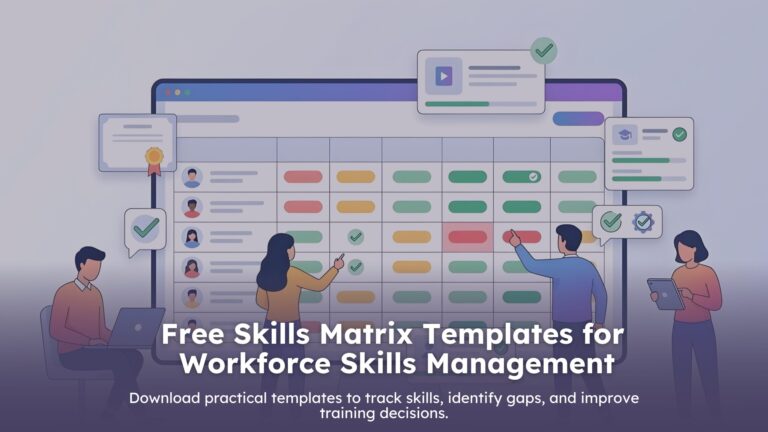
2. Skills Matrix
With this, leaders can monitor staff development and compare current skills against what’s required for each role. This feature reveals hidden training gaps, supports professional growth, and ensures tasks are always matched with the right capabilities. It directly addresses the lack of verified competence seen in all three incidents.
3. Toolbox Talks and Safety Briefings
Through these, teams can conduct and record essential safety discussions before work begins. Attendance, topics, and key points are logged automatically. A short talk on freezing weather risks or hydraulic isolation could have reminded workers of procedures that might have saved lives.
4. Email Reminders and Alerts
The Email Reminders and Alerts feature automatically notifies managers and staff about upcoming training expirations, overdue toolbox talks, or unreviewed risk assessments. This prevents the oversight that so often precedes serious incidents. With automated notifications, compliance becomes continuous rather than crisis-driven.
5. Comprehensive Reports
Finally, these reports provide instant, audit-ready evidence of compliance. Managers can access complete records of training, toolbox talks, and competence data in seconds. This transparency builds confidence across the organisation and demonstrates accountability to inspectors, auditors, and employees alike.
Together, these features help organisations move from reactive compliance to proactive prevention. With Workprove, safety becomes something you do every day and not something you check once a year.