The Purpose of a Competency Matrix
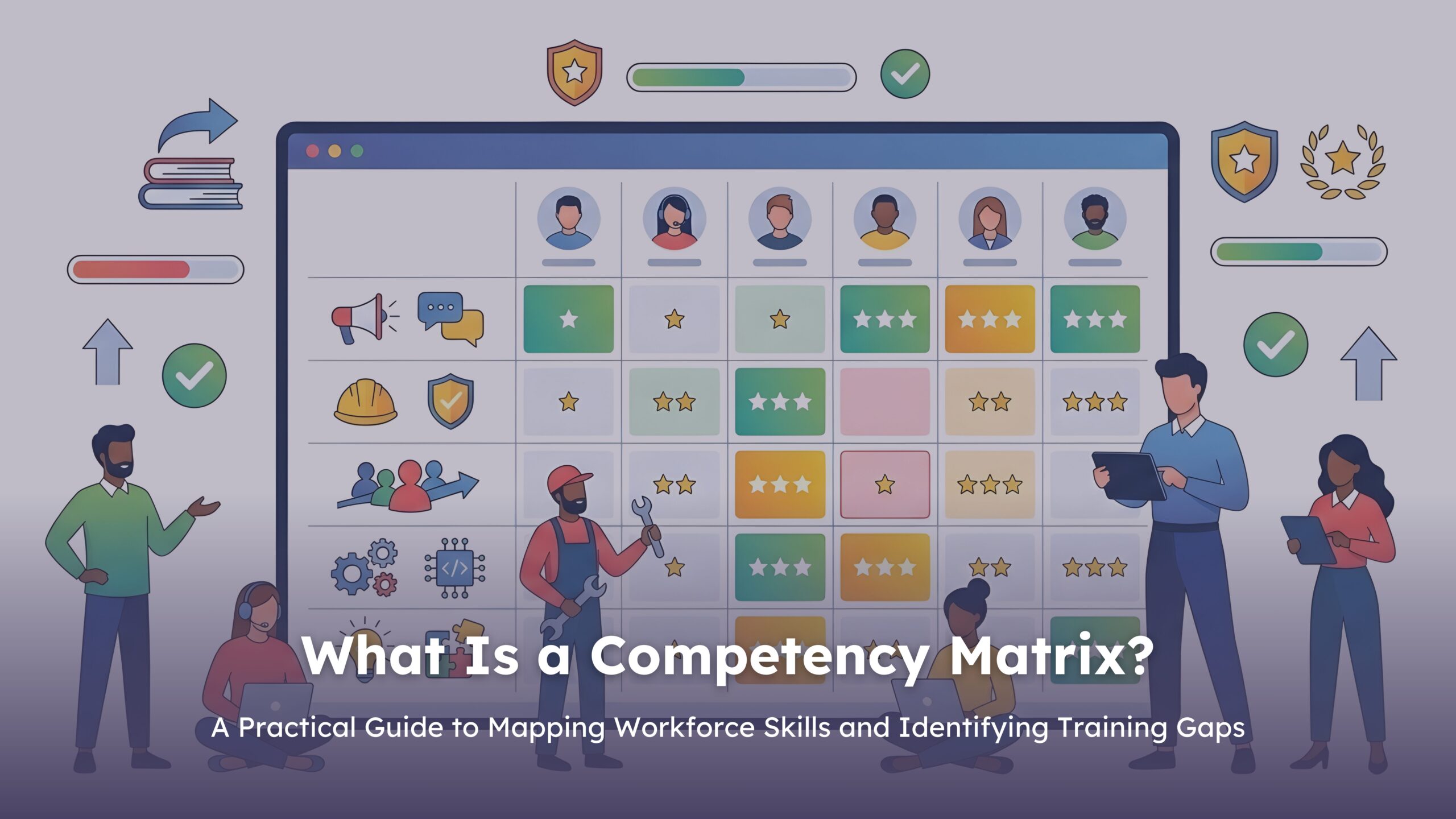
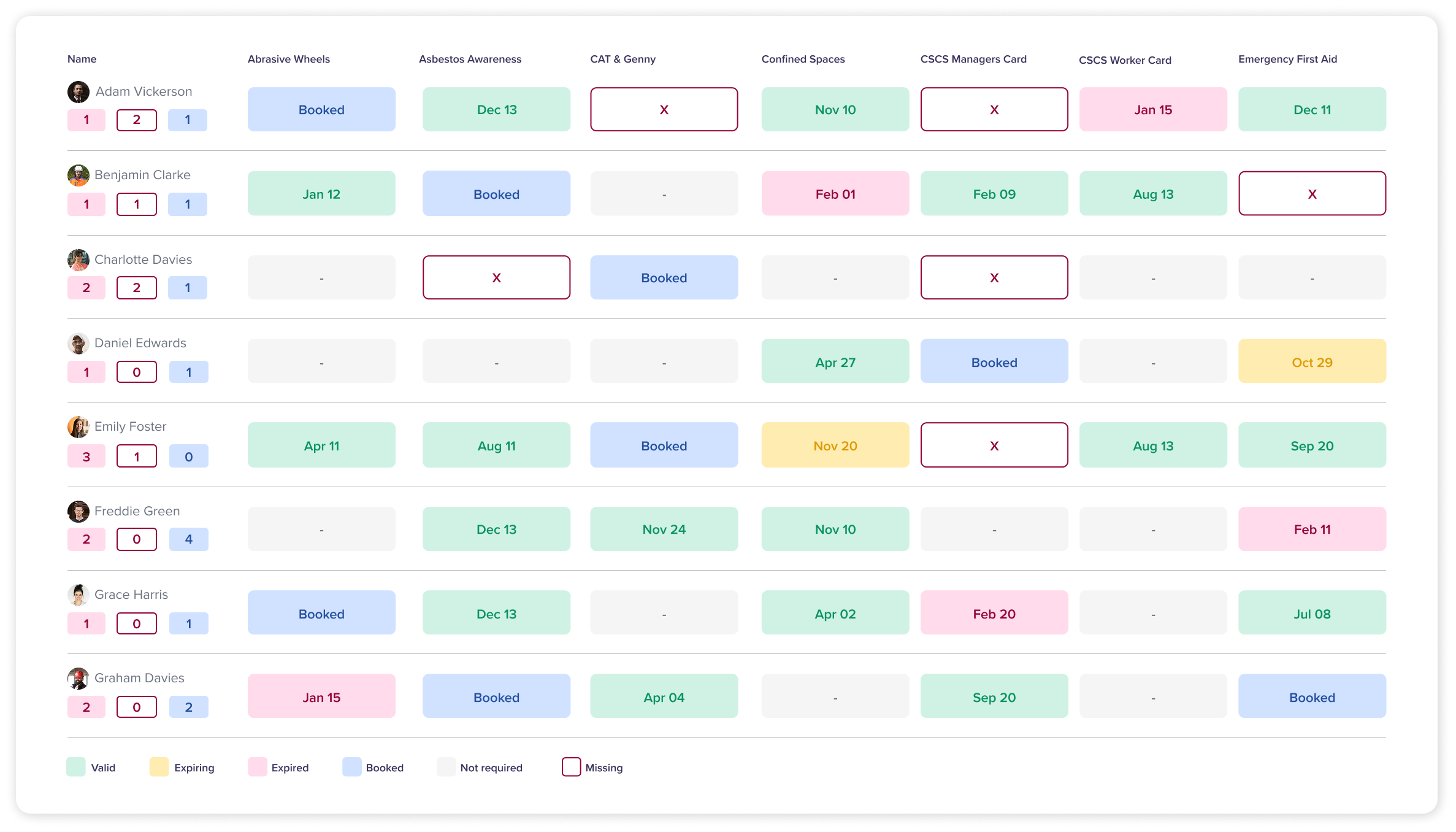
The primary goal of a Competency Matrix is to provide a clear picture of the competencies available within the team and to identify where gaps might exist. This insight is invaluable for both individual and organizational growth.
For Team Members
For individuals within the team, the matrix serves as a guide to understanding the expectations of their roles and the areas they need to develop to advance in their careers.
For Managers
For managers, the matrix offers a detailed overview of the team’s capabilities, aiding in efficient task allocation, identifying training needs, and planning for future recruitment.
Building a Competency Matrix
Creating a your matrix involves several key steps:
- Identifying Key Competencies: Start by defining the essential skills and knowledge required for each role within your organization.
- Assessment: Evaluate each team member against these competencies, typically on a scale (e.g., beginner to expert).
- Analysis: Use the matrix to identify skill gaps and areas where your team excels.
- Action: Develop targeted training and development plans to address the identified gaps.
The Benefits of a Competency Matrix
Implementing a Competency Matrix within your organization can lead to numerous benefits, including:
- Improved Performance: By aligning team members’ competencies with their roles, you enhance overall performance.
- Focused Training: The matrix helps pinpoint specific training needs, making professional development efforts more targeted and effective.
- Better Resource Allocation: Understanding the strengths of your team allows for smarter task allocation.
- Career Development: A clear competency framework supports career progression, motivating team members.
- Strategic Workforce Planning: The matrix aids in planning for future talent needs, ensuring your team remains competitive.
Conclusion
A competency matrix provides organisations with a clear and structured way to understand the capabilities of their workforce. By mapping the skills, knowledge, and competencies required for each role against the abilities of employees, organisations can quickly identify strengths, gaps, and development opportunities.
In industries where safety, compliance, and operational efficiency are critical, maintaining visibility over workforce competencies is essential. A well-maintained competency matrix helps managers ensure that employees have the right skills to perform their roles safely and effectively while supporting better workforce planning and training decisions.
As organisations grow, managing competency matrices manually can become difficult and time-consuming. Digital solutions can help streamline this process by providing real-time visibility into skills, qualifications, and training requirements across teams.
By adopting a structured approach to competency management, organisations can strengthen workforce capability, improve compliance, and build a safer, more resilient workplace.