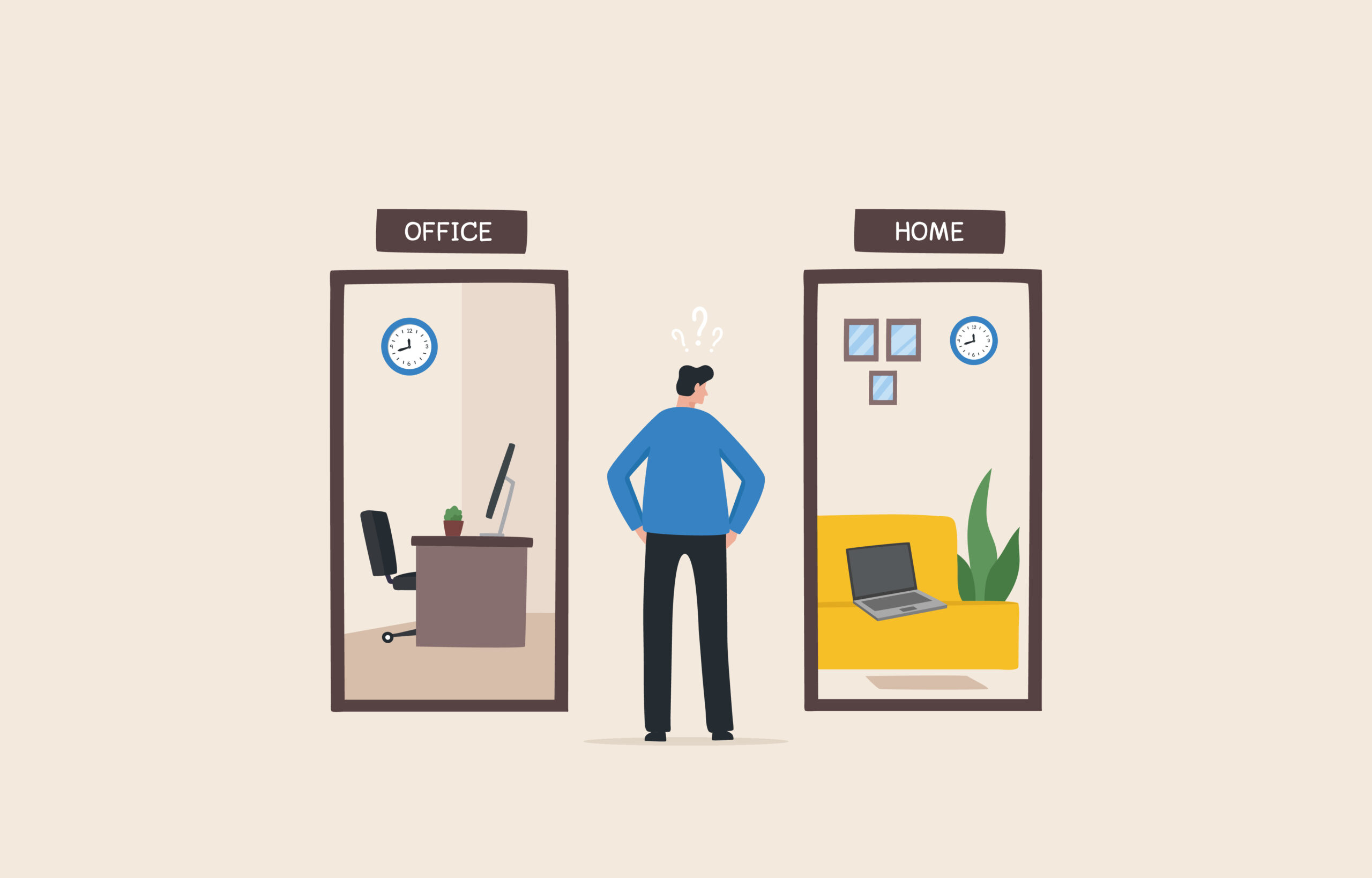
The COVID-19 pandemic has forced many companies to shift to remote work, and since the world has reopened, many are considering a hybrid work model. This means a combination of remote and in-office work for employees. In this article we discuss the benefits of hybrid working.
While some may be hesitant to embrace this new way of working, there are numerous advantages and opportunities that come with a hybrid work model. In this article, we’ll explore the benefits of hybrid working and why it may be the future of work.
What is Hybrid Working?
Hybrid working, in 2024, is a flexible work model blending remote and in-office elements. It empowers employees to choose when and where they work, fostering a harmonious work-life balance. This innovative approach enhances productivity by optimizing workspaces with technology and attracts top talent by offering sought-after flexibility. To navigate the evolving landscape of work successfully, understanding and implementing hybrid working is crucial for organizations looking to stay competitive in 2024.
By staying informed on the latest insights and strategies, you can position your organization at the forefront of the hybrid working revolution. Embrace the power of hybrid working and shape a more agile, connected, and resilient workforce for your organization’s success.
Cost Savings of Hybrid Working
One of the biggest advantages of hybrid work is cost savings. With a hybrid model, companies can save on office space, utilities, and other overhead costs associated with having a physical office. This can result in significant cost savings for businesses, especially for smaller companies or startups.
Additionally, employees can also save on commuting costs and other expenses associated with working in an office. This can lead to increased job satisfaction and a better work-life balance for employees.
Increased Productivity with the Hybrid Work Model
Studies have shown that remote workers are often more productive than their in-office counterparts. This is due to a variety of factors, including fewer distractions, a more comfortable work environment, and the ability to create a personalized work schedule.
With a hybrid work model, employees have the best of both worlds. They can work from home when they need to focus on individual tasks and come into the office for collaborative projects and meetings. This can lead to increased productivity and better overall work performance.
Improved Work-Life Balance