What is a Training Needs Analysis?
A training needs analysis (TNA) is a structured process used by organisations to identify gaps between the skills employees currently have and the skills required to perform their roles effectively. By analysing these gaps, organisations can design targeted training programmes that improve performance, strengthen workforce capability and support business objectives.
In many industries, particularly those with strict safety or compliance requirements, conducting a training needs analysis is essential for ensuring employees have the knowledge, skills and competencies needed to carry out their responsibilities safely and efficiently.
This step by step guide explains how to conduct a training needs analysis, the key stages involved, and how organisations can use the results to build effective training strategies and support long term workforce development.
Consequences of not conducting a Training Needs Analysis (TNA)
The consequences of not conducting a Training Needs Analysis (TNA) can have far-reaching implications for organisations, affecting both their short-term performance and long-term sustainability. Here are some of the key consequences:
- Wasted Resources: Without a TNA, organisations may invest resources in training programs that do not address the specific needs of their workforce. This can result in wasted time, money, and effort on initiatives that fail to produce tangible benefits or improvements in performance.
- Skills Mismatch: One of the most significant consequences of neglecting a TNA is a mismatch between the skills held by employees and the skills required to fulfil organisational objectives. This can lead to inefficiencies, errors, and missed opportunities as employees struggle to perform tasks for which they are ill-prepared.
- Low Employee Morale and Engagement: When employees feel that their training needs are not being met, they may become disengaged and demotivated. A lack of opportunities for skill development and career advancement can lead to frustration and dissatisfaction among employees, ultimately impacting productivity and retention rates.
- Decreased Performance and Competitiveness: In today’s fast-paced business environment, organisations must continuously adapt and innovate to stay competitive. Without a TNA, employees may lack the skills and knowledge necessary to perform their roles effectively, resulting in subpar performance and an inability to keep pace with industry trends and competitors.
- Increased Turnover: Employees who feel undervalued or underutilised are more likely to seek opportunities elsewhere. A failure to address their training needs can contribute to higher turnover rates as talented individuals seek organisations that prioritise their professional development and growth.
- Compliance and Legal Risks: In certain industries, such as healthcare, finance, construction, and manufacturing, failure to provide adequate training can result in compliance violations and legal liabilities. Without proper training, employees may unknowingly engage in practices that violate regulations or compromise safety standards, exposing the organisation to financial penalties and reputational damage.
- Innovation Stagnation: Training needs analysis not only addresses current skill gaps but also identifies future training requirements to support organisational growth and innovation. Without a proactive approach to identifying and developing new skills, organisations risk falling behind competitors and missing out on opportunities for innovation and market expansion.
In summary, the consequences of not conducting a Training Needs Analysis can range from wasted resources and decreased performance to legal risks and decreased competitiveness. By prioritising the TNA as an integral part of their talent management strategy, organisations can ensure that their workforce remains skilled, engaged, and prepared to meet the challenges of the future.
Where do I start?
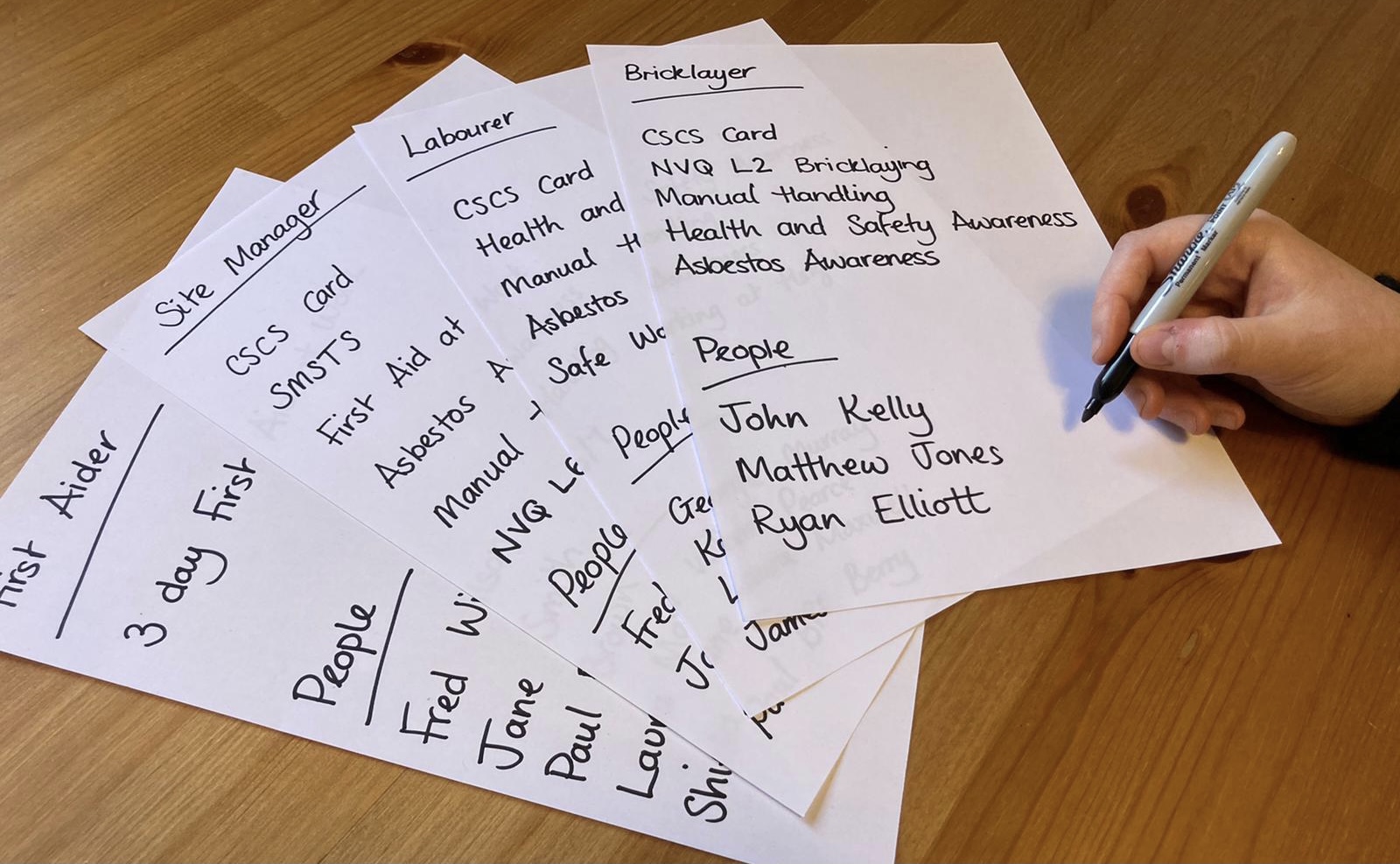
If you don’t have software to help you, it might be useful to do a pen and paper exercise and jot things down before transferring to a matrix.
- Write the task title at the top of the page. List the names of your workforce carrying out this task and then list the training required. Continue to do this for every task.
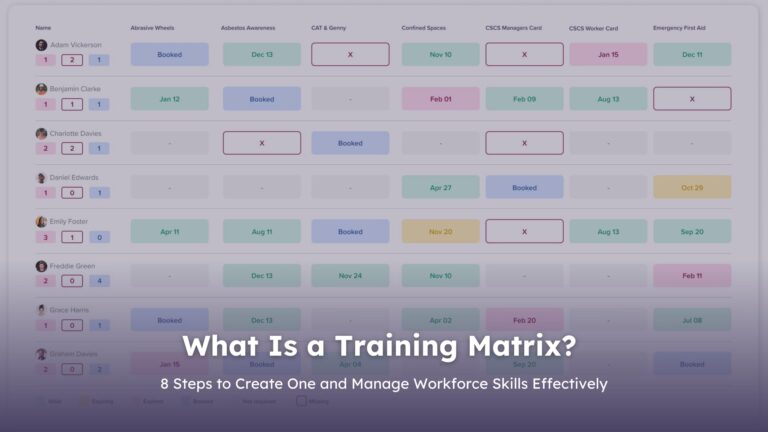
- Collate your existing training certificates and transfer your information into a training matrix. We have created a free training matrix template which you can download here.
- Usually, you would list the names of the people in a column along the left of the page. Next list the training/skills or competency in a row along the top. Look at each individual and work through the pages of training requirements, recording whether the training is a requirement for their job role or not. Where there is a requirement, record if the person holds the necessary certificate or qualification and where possible, the expiry date. If there is a requirement and their certificate is missing, record this also.